Understanding the Significance of Normal Oil Adjustment Solution in Your Automobile Service Regimen
Regular oil modification service plays a crucial function in keeping a car's performance and durability (brake repair shop). Engine oil lubes moving components, lowers friction, and helps stop getting too hot. Neglecting oil changes can lead to severe repercussions, consisting of engine damage and enhanced repair work costs. Recognizing the indicators that show a needed oil change and the benefits of staying on schedule can greatly affect an automobile's health. What elements should one consider to guarantee excellent oil change techniques?
The Function of Engine Oil in Automobile Efficiency
Engine oil plays an important function in improving automobile efficiency by lubing engine elements and reducing friction. This lubrication is essential for keeping suitable operating temperatures, as it helps dissipate heat generated during engine operation. Additionally, engine oil acts as a barrier against contaminants, preventing deterioration on crucial parts. Top notch oil can improve fuel performance, enabling the engine to run even more smoothly and properly. Moreover, engine oil helps with the proper performance of vital systems, such as the hydraulic lifters and timing chain. Regular oil changes ensure that the oil retains its protective buildings, permitting the engine to execute at its best and extending its life-span. Appropriate maintenance of engine oil is therefore essential for total lorry dependability and performance.

Signs That Your Oil Demands Transforming
When engine oil needs transforming is important for car maintenance, recognizing. Secret indicators consist of dirty or dark oil, a boost in engine sound, and the activation of the oil change light. Dealing with these signs quickly can help avoid engine damage and guarantee height efficiency.
Dark or Filthy Oil
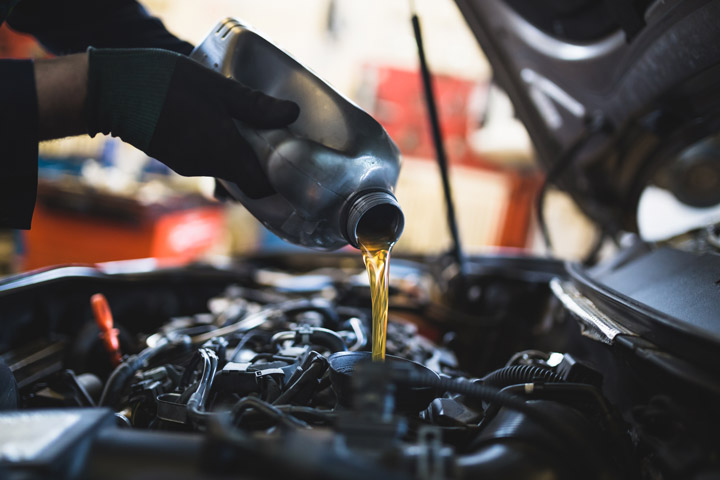
Oil acts as the lifeblood of a vehicle's engine, and its problem can disclose critical info concerning maintenance needs. One prominent indicator that oil needs changing is its filthy or dark look. Fresh oil is commonly a transparent amber shade, yet as it distributes with the engine, it accumulates pollutants such as soot, steel, and dust fragments. This accumulation not only affects the oil's effectiveness yet can also cause boosted engine wear. When the oil shows up black or sandy, it indicates that it has shed its lubricating residential or commercial properties and is less capable of protecting engine elements. On a regular basis keeping an eye on oil shade and consistency is vital for making sure peak engine performance and durability.
Engine Sound Rise
As automobiles age and their parts use, a rise in engine sound can typically indicate a demand for oil change. This sound might manifest as a knocking, ticking, or grinding sound, indicating not enough lubrication within the engine. Gradually, engine oil comes to be polluted with dust and particles, shedding its effectiveness in decreasing rubbing among engine parts. Consequently, metal elements may come right into closer contact, causing raised sound levels. It might be sensible to schedule an oil adjustment quickly if vehicle drivers notice such modifications. Neglecting these auditory signals can lead to more extreme engine damages, lowering the lorry's durability and efficiency. Normal oil modifications not just maintain engine wellness yet additionally guarantee a quieter driving experience.
Oil Adjustment Light On
A lit up oil adjustment light functions as a critical alert for drivers, indicating that it is time to replace the engine oil. This warning light is created to notify automobile proprietors when the oil's high quality has degraded or when it is nearing completion of its helpful life. Disregarding this signal can cause reduced engine efficiency, boosted wear, and potential engine damages. Furthermore, various other signs may accompany the illuminated light, such as unusual engine seems, lowered gas performance, or a change in oil shade and uniformity. Frequently monitoring the oil change light and responding immediately by arranging an oil change can help maintain the lorry's wellness and longevity, guaranteeing peak efficiency for many years to find.
Benefits of Routine Oil Adjustments
Regular oil changes give countless advantages that prolong the life of an automobile and enhance its performance. Initially, fresh oil lubricates engine elements, reducing friction and wear, which can cause costly repairs if overlooked. Additionally, clean oil enhances engine efficiency, leading to far better gas economy and reduced discharges. Routine oil changes also assist preserve perfect get more info engine temperature level, stopping getting too hot and possible damages. They permit for the discovery of potential problems early, such as leaks or uncommon debris, making it possible for prompt repair services. This positive upkeep can significantly boost the car's resale worth. Overall, regular oil adjustments are a critical element of automobile care, guaranteeing integrity and perfect working throughout its life-span.
How Commonly Should You Adjustment Your Oil?
Establishing how frequently to transform oil is affected by numerous factors, consisting of maker suggestions, driving conditions, and the sort of oil used. Each automobile might have specific standards that reflect its design and efficiency demands. In addition, varying driving settings can require changes to the common oil adjustment period.
Manufacturer Referrals
While several automobile owners might have their own opinions on oil modification regularity, adhering to producer suggestions is vital for excellent engine efficiency and longevity. Suppliers supply particular standards based on extensive testing and design standards customized to each lorry's style and engine type. Usually, these referrals can range from every 3,000 to 10,000 miles, relying on the oil kind and automobile version. Abiding by these standards guarantees that the engine receives the needed lubrication and protection versus damage. Furthermore, regular adherence to the supplier's timetable can help maintain service warranty protection and enhance resale worth. Automobile proprietors need to consult their owner's guidebook or a relied on auto mechanic to figure out the ideal oil adjustment periods for their specific automobile.
Driving Problems Influence
Driving conditions significantly affect just how commonly oil changes are essential for excellent engine health and wellness. Regular stop-and-go driving in metropolitan locations can lead to boosted engine pressure and quicker oil destruction. Extreme temperature levels, whether warm or cold, can influence oil viscosity and performance, necessitating even more regular modifications. Automobiles made use of for towing or lugging hefty loads likewise need more constant oil changes because of the included stress on the engine. Furthermore, driving on unpaved or harsh roadways can introduce pollutants into the oil, further influencing its effectiveness. Subsequently, evaluating private driving problems and habits is essential for establishing the very best oil adjustment period, guaranteeing the engine remains in peak condition and extending its life-span.
Oil Type Factors To Consider
How does the type of oil used effect the frequency of oil changes? The choice between standard, synthetic blend, and full artificial oils substantially influences maintenance timetables. Conventional oils generally need even more constant modifications, frequently every 3,000 to 5,000 miles, as a result of their shorter lifespan and lower resistance to malfunction. On the other hand, artificial blends offer boosted protection and can commonly prolong oil adjustment periods to 5,000 to 7,500 miles. Complete synthetic oils, known for their superior efficiency under extreme problems, can last in between 7,500 and 15,000 miles, depending on driving behaviors and manufacturer referrals. Comprehending these differences permits car proprietors to optimize their upkeep routines and assurance engine longevity, eventually lowering expenses and enhancing general car performance.
Selecting the Right Oil for Your Car
Selecting the appropriate oil for an automobile can considerably influence its performance and long life - auto repair. Vehicle owners should take into consideration numerous variables when picking motor oil, including the producer's specs, the climate in which they run, and the driving conditions they experience. Engine kind, whether gas or diesel, likewise plays an essential function in oil selection. Owners should choose between conventional, artificial, or combined oils based upon thickness scores laid out in the owner's handbook. Furthermore, looking for certifications, such as API or ACEA, guarantees compatibility and quality. On a regular basis talking to a trusted auto mechanic or automotive professional can further direct the selection procedure, ultimately maximizing engine performance and securing critical components. Making educated choices about oil adds considerably to a car's general health
The Price of Neglecting Oil Modification Service
.jpg)
Regularly Asked Inquiries
Can Synthetic Oil Last Longer Than Traditional Oil?
Synthetic oil generally lasts longer than conventional oil due to its premium solution, which supplies better stability and resistance to failure (car inspection). This prolonged lifespan can cause fewer oil changes and possibly enhanced engine efficiency in time
Is It Okay to Mix Different Oil Kind?
Blending different oil types is generally not advised. Compatibility concerns can emerge, impacting efficiency and engine health. It is suggested to stick to one kind, complying with manufacturer guidelines for optimal car care and longevity.
Just How Does Oil Modification Affect Fuel Performance?
Oil changes can greatly boost gas performance. Tidy oil minimizes friction in the engine, allowing it to run more efficiently and effectively, eventually bring about boosted gas usage and decreased exhausts in time.
Can I Change My Own Oil in the house?
Yes, people can change their own oil in your home, given they have the required tools and knowledge. Proper disposal of made use of oil and adherence to automobile requirements are essential for a eco liable and effective process.
What Devices Are Required for an Oil Change?
To execute an oil modification, one requires an oil filter wrench, a socket wrench collection, an oil catch pan, a channel, a brand-new oil filter, the ideal motor oil, and safety handwear covers for security.